Demographics of Bujumbura: Who Lives Here in 2026?

so i landed in bujumbura and immediately noticed the mix of faces-young, old, burundian, congolese, some expats who look like they've been here since the 90s. the city's population is about 1.2 million, but it feels smaller, like everyone knows someone who knows your cousin. most people are under 25, which means the streets are loud, full of chatter, and the markets never sleep. you'll see more motorcycles than cars, and the main language is kirundi, though french and swahili sneak in when you least expect it.

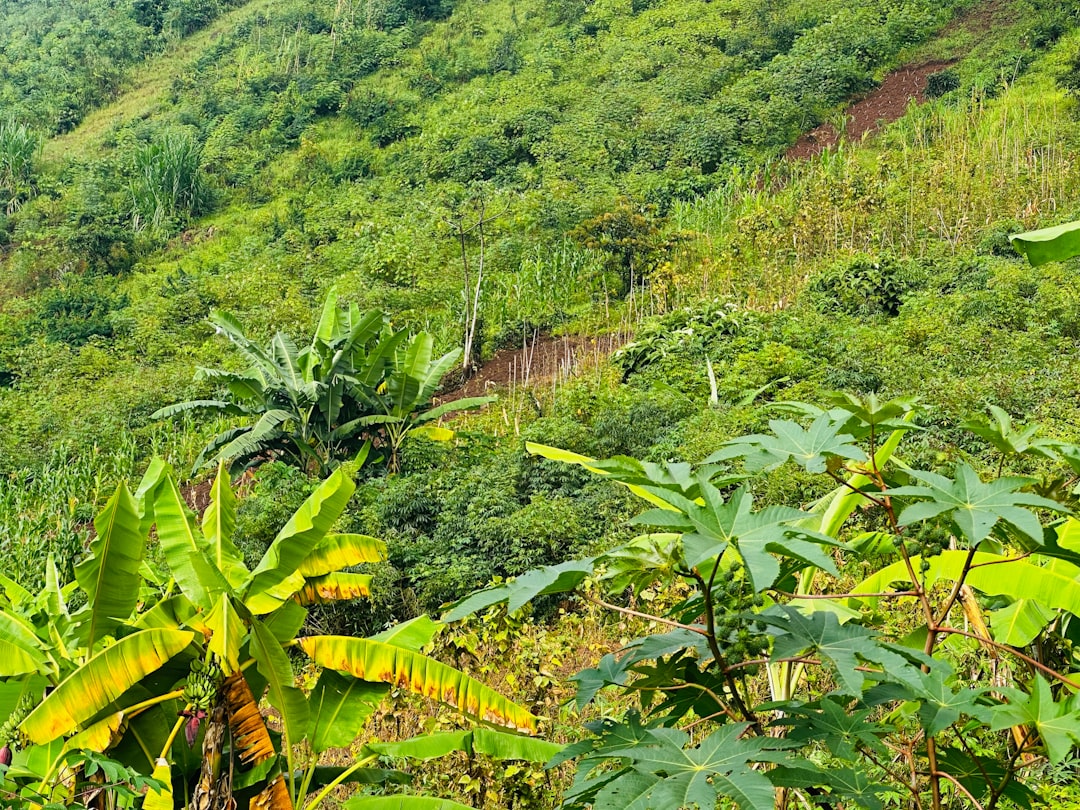
*the neighborhoods are a patchwork-some areas feel like a sleepy village, others like a busy market exploded onto the pavement. kigobe is where the middle class lives, with small shops and schools. buyenzi is denser, more working-class, and you can get a plate of beans and rice for less than a dollar. ngagara is quieter, leafy, where some expats and well-off locals have houses. rent? you can get a basic one-bedroom for about $150/month, but if you want something with consistent water and power, double that.
jobs are mostly informal-selling phone credit, running tiny kiosks, driving motorcycle taxis (they call them "motos"). the formal sector is tiny, mostly government or ngo work. unemployment is high, especially among youth, which is why the streets are full of people selling phone chargers and second-hand clothes. overheard a guy at a bar say, "if you're not selling something, you're probably related to someone who is."
safety is a mixed bag. daytime feels fine, but at night, most locals tell you to be home or in a trusted spot. one local warned me, "don't walk around with your phone out after dark, unless you want to fund someone's dinner." petty theft is common, but violent crime is rarer-still, it's smart to keep a low profile.
weather is tropical highland-warm days, cool nights, and a rainy season that turns the streets into mud baths. right now it's the dry season, so the dust coats everything, and you can see the lake from almost anywhere in the city. speaking of, lake tanganyika is just a short drive away, and people go there to swim, fish, or just escape the city buzz. if you want a change of scenery, bujumbura's a short flight from kigali or dar es salaam, both of which feel like different planets in comparison.
food is simple but good-ugali, beans, fried plantains, fresh fish from the lake. if you want something fancier, there are a few expat-friendly places, but they're pricey by local standards. for a real local experience, hit the central market early in the morning; just watch your pockets.
internet is hit or miss. most cafes and some restaurants have wifi, but it cuts out like it's got better things to do. if you're working remotely, bring a local sim with a data bundle-it's cheap and more reliable than wifi.
random tip: if someone offers you a "soda," they mean any soft drink, not just coke. and if you hear drums at night, it's probably a wedding or a funeral-both go on for hours.
overheard gossip: "the best moto driver in town is the one who doesn't talk much and doesn't try to sell you anything on the way."
something a local warned me about: "never shake hands with your left hand, even if you're just being friendly. it's a big no-no."
drunk advice from a bar: "if you want to make friends, bring a pack of cigarettes and offer one to the guy next to you. works every time."
for more on bujumbura's neighborhoods, check out tripadvisor or ask on reddit's africa community. if you're curious about daily life, yelp has a few reviews from expats, though most are outdated-things change fast here.
bottom line*: bujumbura is a city of contrasts-young, chaotic, friendly, and a little rough around the edges. it's not for everyone, but if you're curious, it'll leave a mark.
You might also be interested in:
- https://topiclo.com/post/gothenburg-cost-breakdown-surviving-on-a-freelance-photographers-budget
- https://topiclo.com/post/kocaeli-vibes-drumming-through-rain-and-ruins
- https://topiclo.com/post/changwons-crime-stats-are-weirdly-quietbut-my-bike-got-stepped-on-twice-this-month
- https://topiclo.com/post/how-to-skid-through-bagams-clutches-without-blinking-too-much
- https://topiclo.com/post/kaluga-russia-freezing-fog-soviet-ghosts-and-a-coffee-that-tasted-like-regret